bookitaly.tours

Italy trip planner

How to Plan a Trip to Italy Without Wasting Time

Choose your cities, build a route that flows, and book everything in the right order, all in one place.

Planning a trip through Italy sounds fun until you open ten tabs and feel stuck. Too many cities. Too many tickets. No clear idea of what to book first.

This page fixes that. It walks you through how to plan a trip to Italy step by step, so you end up with a route that makes sense and a booking order that actually holds together.

Here is where the Italy trip planner helps:

  • Pick your cities based on how many days you have
  • Build your route so you are not backtracking across the country
  • Know what to book first, since timed tickets often need reserving before flights
  • Match the trip to you, whether you love art, food, or a slower pace
  • Sequence your bookings so the sell-out sights get locked in early

Start with your days, then your cities, then your route. The planner handles the order, and you skip the guesswork most first-timers get tangled in.
  1. 1

    Pick your destination

    Rome, Vatican, Florence, Venice, Milan, Pompeii & Amalfi, or day trips.

  2. 2

    Follow the booking order

    See what to reserve first — timed tickets that sell out before hotels and flights.

  3. 3

    Book tours and check crowds

    Compare skip-the-line options and quieter windows before you confirm dates.

Rome

Rome in plain terms

  • Two full days cover the big hits. Three days feel human.
  • Summer afternoons bake the Forum — mornings and late light are kinder.
  • If it’s your first Italy trip, start here. Everything else branches out easily.

Skip trying to ‘do Rome’ in one day. You’ll only remember the lines.

Book after you plan

Which Rome Tours and Timed Tickets Should You Book First?

After you work through the Rome steps above, these skip-the-line and guided tours are the ones travellers reserve most often before flights and hotels are final.

Popular routes

Popular Italy Itinerary Routes to Plan Around

Not sure where to start? These routes cover the trips people build most. Pick the one that fits your days and your style, then plan around it.

Rome + Florence + Venice

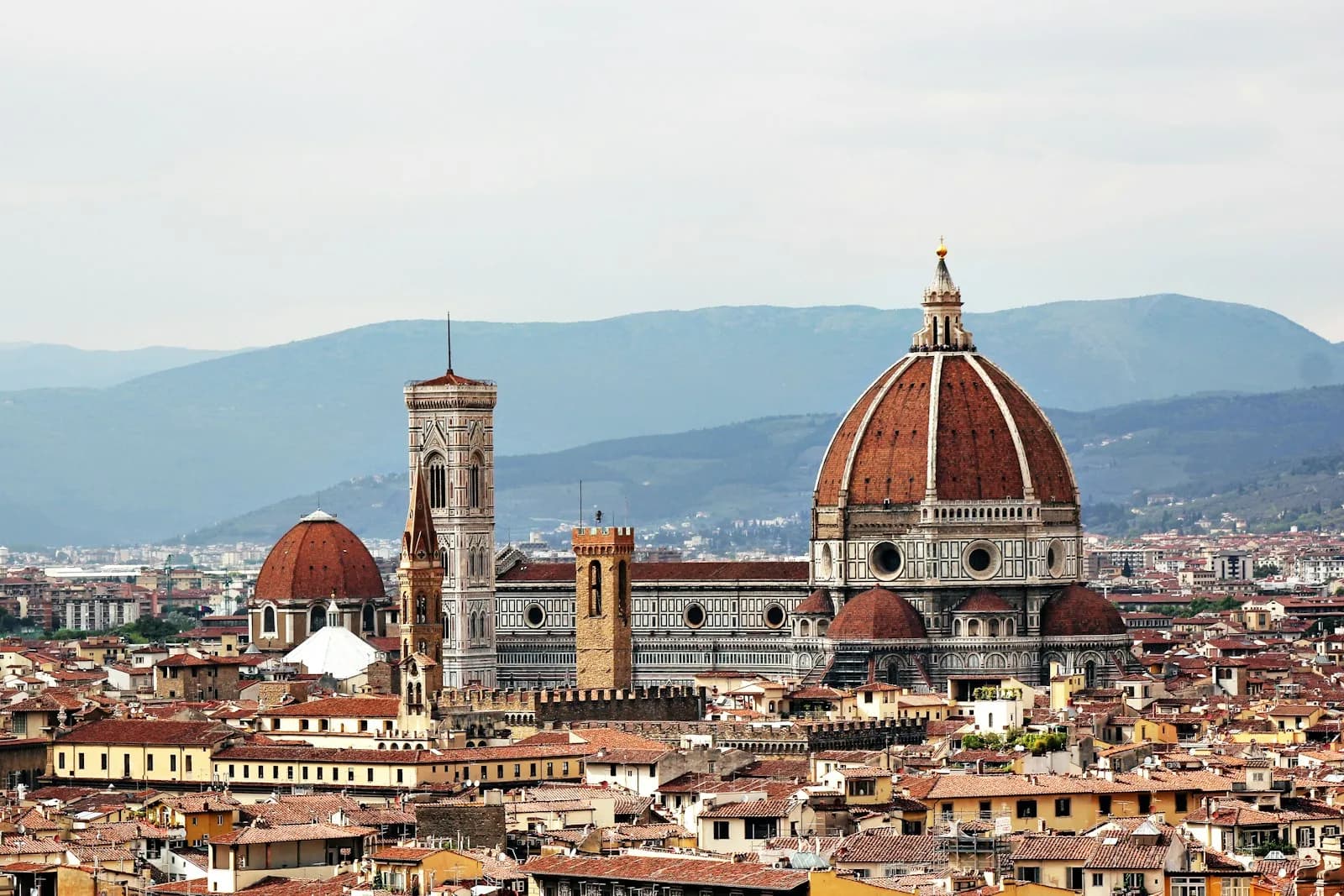
The classic first Italy itinerary. Three iconic cities linked by fast trains, easy to do in 7 to 10 days. Start in Rome, move to Florence, finish in Venice, and you cover the big three without doubling back.

Plan the Rome, Florence, Venice route

Rome + Amalfi Coast

Big-city history paired with coastal calm. Do Rome first, then head south for the Amalfi Coast and a slower few days by the sea. This works well as a 7 to 10 day trip when you want culture and coast in one go.

Plan the Rome and Amalfi route

Milan + Lake Como

A short, scenic combo for the north. See the Milan Duomo and the Last Supper, then take an easy day out to Lake Como for boat trips and lakeside towns. Ideal as a long weekend or a bolt-on to a longer trip.

Plan the Milan and Lake Como route

First-Time Italy Route

New to Italy? Keep it simple. Focus on Rome, Florence, and Venice, book the headline sights early, and leave room to wander. This is the safest route for a first trip and the easiest to plan.

Plan a first-time Italy trip

Art & Culture Route

Built for museum lovers. String together the Vatican Museums in Rome, the Uffizi and Accademia in Florence, and the Last Supper in Milan. These slots sell out first, so this route rewards early booking most.

Plan an art-focused Italy trip

Relaxed Italy Route

For travelers who would rather go deep than rush. Pick two cities, add a coast or lake stop, and build in slow mornings and long lunches. Fewer stops, more room to actually enjoy each place.

Plan a relaxed Italy trip

Free planning tool

When Are Popular Italy Sights Usually Busiest?

Use the free crowd checker to see typical busyness by time of day in Rome, Vatican City, Florence, Venice, and more. Pair quieter windows with the ticket times you lock in here.

Open the Italy crowd checker
Map view of Rome streets for crowd planning

Typical busyness by time of day — free, no live GPS tracking

Common questions

How to Plan a Trip to Italy: Common Questions

Straight answers on days, cities, booking order, and the routes that work best for first-timers, couples, and families.

Start with your dates, pick two or three cities, then build a simple route between them. Book the big timed-entry sights first, and use the Italy trip planner to sort the order so nothing clashes.

Book timed tickets first, especially the Last Supper in Milan, Vatican early access, and the Colosseum. These sell out weeks ahead, so lock them in before you book flights or hotels.

Seven days covers the three main cities at a steady pace, while ten days lets you add the coast or a lake. Fewer than five days means picking one or two cities and going deep instead of wide.

Yes, 7 days is enough for Rome, Florence, and Venice. It is a full pace, so book fast trains between cities and reserve your major tickets early to save time on the ground.

A strong Italy itinerary for 10 days is Rome, Florence, Venice, plus the Amalfi Coast or Lake Como. Ten days gives you time for the big cities and one slower stop without rushing.

Rome, Florence, and Venice make the best first Italy itinerary. They are well connected by train, packed with headline sights, and easy to plan as a single loop.

Yes, it is the most popular route for good reason. Fast trains link all three, the travel time between them is short, and you cover history, art, and canals in one trip.

Add it if you have 9 or more days. The Amalfi Coast needs a slower pace, so it fits best when you are not squeezing it around the main cities.

Milan is worth it if you want the Last Supper, the Duomo, or an easy trip to Lake Como. For a first visit focused on classic Italy, you can skip it and add it next time.

Stick to one city every two to three days. For a week, that means two or three cities. More than that and you spend the trip packing and unpacking instead of exploring.

Build your route around the Vatican Museums, the Uffizi, the Accademia, and the Last Supper. These are the slots that sell out first, so book them early and plan your walking around them.

Base yourself in Rome and Florence, then add a Chianti wine day and a pasta class. Food-focused trips reward a slower pace, so keep your city count low and your meal plans open.

Take the train between big cities like Rome, Florence, Venice, and Milan, since it is faster and drops you in the center. Rent a car only for rural areas like Tuscany or the Amalfi Coast.

Book four to eight weeks ahead for peak season travel from April through October. The Last Supper and Vatican early access sell out sooner, so reserve those the moment your dates are set.

The Last Supper in Milan, Colosseum Arena Floor access, and Vatican early entry go first. If your dates are fixed, book these before anything else on your itinerary.

Yes, one week fits all three comfortably. Give Rome three days, Florence two, and Venice two, then use fast trains to move between them without losing a day.

Ten days is enough if you keep the pace steady. Spend most of your time in the cities, then close with two or three slower days on the coast.

A relaxed route with two cities plus a coast or lake stop works best for couples. Think Florence and Venice with a Tuscan wine day, or Rome with a few nights on the Amalfi Coast.

Keep it to two or three cities with shorter tours and skip the line tickets. The Colosseum Arena Floor and an open-air Pompeii walk hold kids' attention better than long museum days.

Sequence your bookings up front and pick a route that does not backtrack. Reserve timed tickets first, group nearby cities, and let the trip planner set the order so your days flow.

A good Italy trip is really just a good plan

The right cities, a route that flows, and your tickets booked in the right order before the best slots go. Start with your days, build your route, and lock in the sights that sell out first.